Why CFOs and Founders Are Rethinking Enterprise Payments
Cross-border wires take days. Fees stack up. Reconciliation drags on because finance teams juggle bank portals, wallets, and Excel. If you lead finance or operations, you’ve likely accepted this as “just how it works.”
It doesn’t have to stay that way.
STABO.io brings stablecoin rails, digital wallet connectivity, and digital asset management under one operating layer—without forcing you to overhaul your ERP or rewrite internal controls.
What changes when stablecoins enter the picture
With USDC or other reputable stablecoins, settlement can occur in minutes instead of days, often at a fraction of traditional fees. This is especially useful for payout-heavy businesses, marketplaces, and companies with suppliers in Southeast Asia, LATAM, or Eastern Europe.
- Illustrative example: APAC vendor payouts sent via stablecoins settle in 6–12 minutes with network fees between $0.05–$0.80 per transfer (depending on chain), versus 1–3 business days and $20–$45 per SWIFT wire.
- Treasury impact: Faster settlement means tighter cash forecasting and less trapped capital in transit.
Wallet connectivity that fits enterprise controls
Most teams already touch multiple wallets—custodial accounts, exchange wallets, and on-chain addresses. STABO.io connects them, then wraps policy-based approvals and audit trails around every movement.
What that looks like:
- Role-based approvals (e.g., amounts >$50k require CFO + Controller sign-off)
- Multi-sig or MPC-based governance with configurable thresholds
- KYT screening and sanctioned-address checks before release
- Auto-tagging by cost center, project, or vendor ID for reconciliation
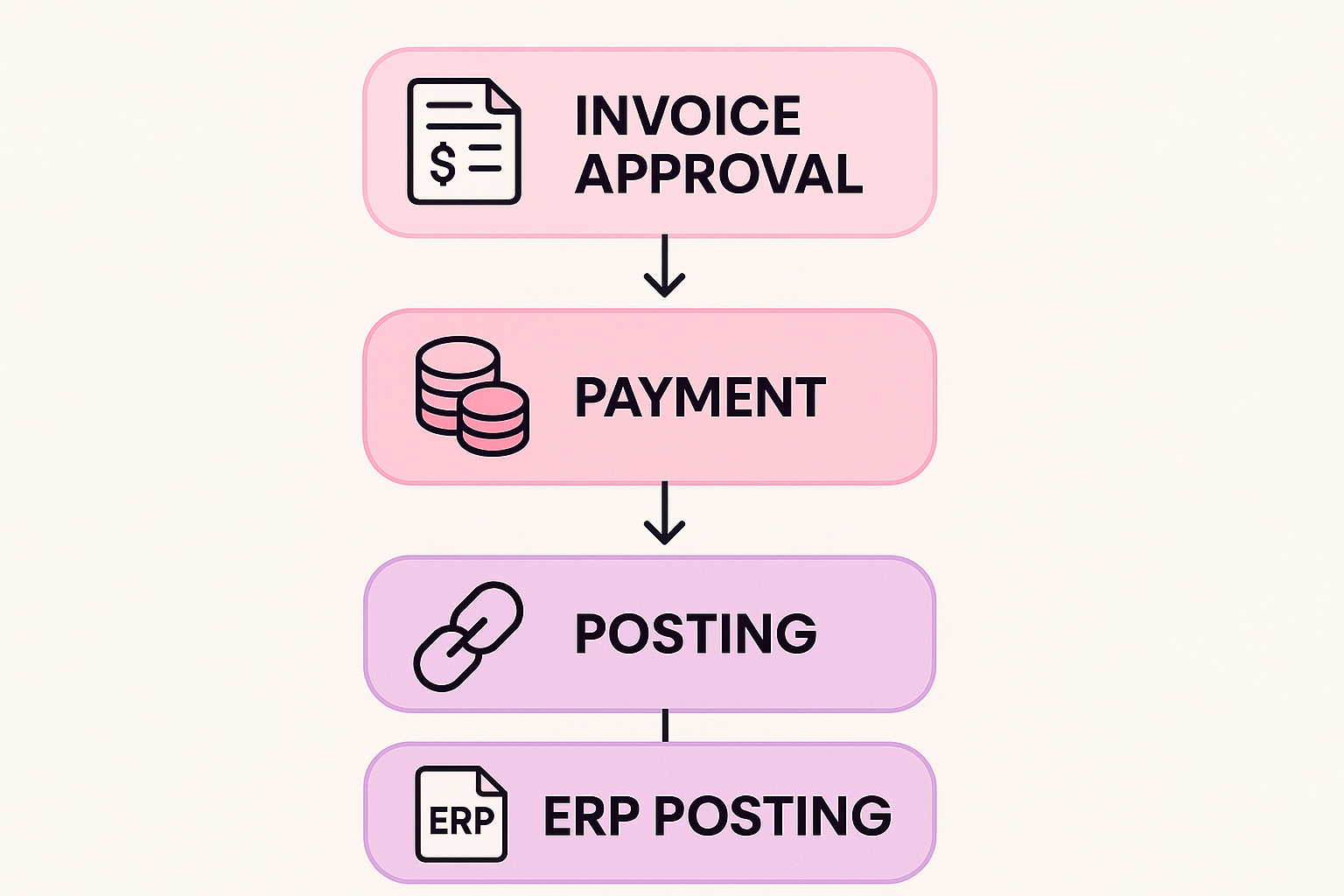
- Webhooks to your ERP (NetSuite, SAP, Xero) for instant posting
The result: usable crypto rails with the controls a board expects.
Digital asset management built for finance, not traders
You need treasury segmentation, not trading screens. STABO.io’s digital asset management system provides:
- Wallet-level segregation (operational float vs. reserves vs. tax wallets)
- Chain-agnostic visibility across Ethereum, Polygon, Tron, and Solana
- Stablecoin conversions with guardrails (price bands, liquidity checks)
- Automatic accruals and realized FX treatment for accounting
- Exportable audit packages for month-end and SOX testing
Caveat: Stablecoins carry issuer and chain risk. Good governance means setting limits per asset/chain and monitoring reserves disclosures. STABO.io supports limit policies and risk alerts so finance can set boundaries and keep them.
What changes in the numbers
- Time to settle: 1–3 business days vs 6–12 minutes
- Cost per transaction: $20–$45 vs $0.05–$0.80
- Reconciliation time per 100 payouts: 6–8 hours vs 45–60 minutes
- Exception rate (missing refs/returns): ~3–5% vs <1%
Figures are illustrative and depend on corridor, chain, and counterparties.
How teams get started in weeks, not quarters
- Pick your corridors and coins: Most start with USDC for supplier or contractor payouts in two regions.
- Connect wallets and banks: Link existing custodial accounts and on/off-ramps; set approval policies by amount, vendor, and geography.
- Automate the ledger: Map posting rules to your ERP, including fees, FX, and gain/loss entries.
Then pilot with real invoices. Keep a small operational float in stablecoins to start. Expand only after a month of clean reconciliations.
The bottom line for modern finance leaders
Stablecoin rails are no longer a crypto experiment; they’re a practical option for settlement, especially when wallet connectivity and policy controls are done right. If you’re a CFO or founder looking to cut settlement time, reduce fees, and tighten reconciliation without sacrificing compliance, STABO.io gives you the operating layer to do it—responsibly and measurably.
If you want a walkthrough with your actual payment flows, we’ll map it to a pilot plan and projected impact using your volumes and corridors.