Market Shockwaves from Weekend Tariff Announcements
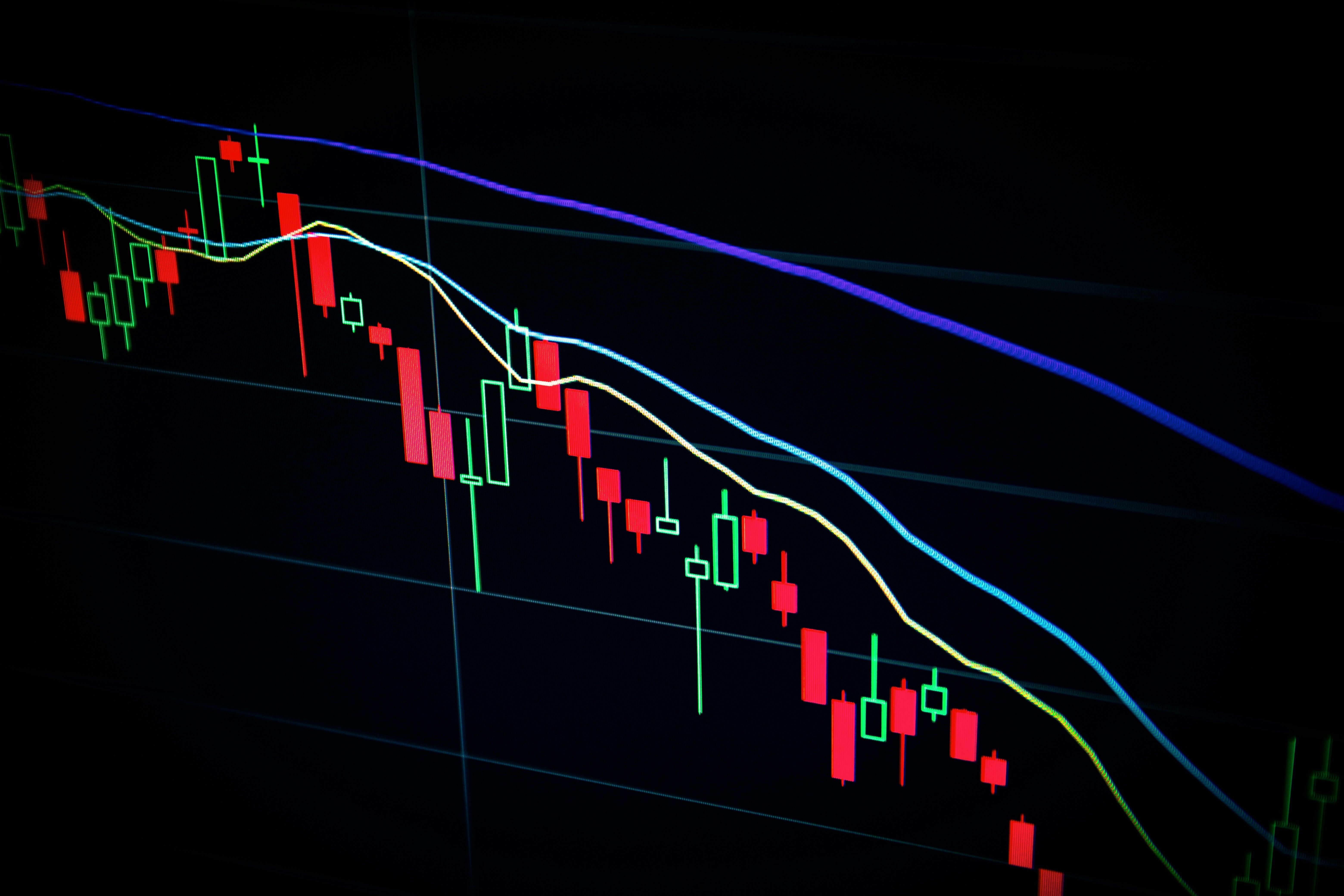
The global financial markets experienced significant turbulence following former President Trump's weekend announcement of aggressive new tariff plans targeting key trading partners. With equity markets plunging and cryptocurrencies experiencing sharp selloffs, stablecoins are seeing renewed attention as a dollarization tool amid growing uncertainty.
The Tariff Proposal and Initial Market Reaction
The Announcement
Over the weekend, Trump announced plans for sweeping new tariffs that would potentially target:
- 60% tariffs on all Chinese imports
- 10-20% universal tariffs on all imports from other countries
- Additional targeted tariffs on specific industries and countries
This unexpected policy stance triggered immediate market reactions:
| Market | Initial 24-Hour Impact |
|---|---|
| S&P 500 | -2.8% |
| Nasdaq | -3.4% |
| Bitcoin | -8.2% |
| Ethereum | -10.5% |
| Chinese Yuan | -1.2% against USD |
Corporate Exposure and Supply Chain Implications
The threat of significant tariff increases creates immediate challenges for multinational corporations:
- Input Cost Uncertainty: Volatile pricing for imported components
- Contract Renegotiation Pressure: Existing agreements suddenly unprofitable
- Inventory Strategy Shifts: Rush to import before tariff implementation
- Manufacturing Relocation Planning: Accelerated reshoring or friend-shoring
Stablecoins as a Corporate Shield Against Tariff-Induced Volatility
As uncertainty increases, stablecoins are emerging as a critical tool for businesses navigating these choppy waters.

Three Key Functions in the Current Environment
1. Treasury Protection in Volatile Currency Markets
Asian businesses exposed to tariff risks are seeing domestic currencies weaken against the dollar, creating additional challenges beyond the tariffs themselves:
- Traditional Hedging: Expensive forward contracts with 2-4% annual costs
- Stablecoin Alternative: Direct dollar exposure via regulated stablecoins
- Key Advantage: Immediate execution without waiting for banking hours
- Case Example: Vietnamese manufacturers facing potential 20% tariffs have seen the dong weaken 2%, compounding their challenges
Corporations are increasingly holding stablecoin reserves as a protection mechanism against currency devaluation that often accompanies trade conflicts. This "digital dollarization" provides operational flexibility without the restrictions of traditional banking.
2. Supply Chain Payment Continuity
With tariff threats creating uncertainty about traditional financial channels:
- Payment Route Diversification: Creating multiple options for cross-border settlement
- Banking Relationship Risk Mitigation: Reducing dependence on potentially restricted channels
- Settlement Timing Control: Accelerating or delaying payments based on tariff timelines
- Cost Transparency: Fixed transaction costs regardless of geopolitical developments
3. Contract Stability Through Price Volatility
Stablecoins enable:
- Dynamic Pricing Models: Smart contracts that adjust for tariff impacts
- Escrow Mechanisms: Holding funds pending tariff clarity
- Split Settlement: Dividing payments between pre-tariff and post-tariff rates
- Jurisdictional Flexibility: Executing contracts through neutral channels
Asia's Corporate Response: Accelerating Stablecoin Adoption
The potential for significant US-China tariff escalation has triggered a notable increase in stablecoin activity across Asian business hubs:

Sector-Specific Implementations
Industries most exposed to tariff impacts are leading adoption:
Electronics Manufacturing
- Current Challenge: Component sourcing across multiple tariff-affected jurisdictions
- Stablecoin Use Case: Creating payment escrows that adjust based on final tariff determinations
- Implementation Approach: Hybrid models combining traditional banking with stablecoin settlement options
Textile Industry
- Current Challenge: Razor-thin margins threatened by potential 10-20% tariffs
- Stablecoin Use Case: Deploying stablecoin treasuries to secure dollar-denominated working capital
- Implementation Approach: Converting 15-30% of operating capital to regulated stablecoins
Agricultural Exports
- Current Challenge: Perishable goods with limited pricing flexibility
- Stablecoin Use Case: Creating guaranteed settlement channels immune to banking disruptions
- Implementation Approach: Direct farmer-to-distributor payment chains using stablecoin rails
Dollar Dominance in Trade Wars: The Digital Dollarization Phenomenon
The flight to USD-pegged stablecoins during trade tensions highlights a critical paradox: even as US trade policy creates friction, the US dollar strengthens its position as the world's safe haven.
Expanding Dollar Demand Through Digital Channels
Trade wars are accelerating a form of digital dollarization:
- Traditional Dollarization: Physical dollars or USD bank accounts in foreign countries
- Digital Dollarization: USD-pegged stablecoins providing dollar exposure without US banking
- Key Difference: Accessibility without corresponding banking relationships
- Strategic Implication: Dollar dominance expanding through blockchain rails
Beyond SWIFT: Alternative Dollar Settlement Channels
The stablecoin ecosystem creates complementary dollar settlement channels:
- Traditional Channel: SWIFT network through correspondent banking
- Emerging Channel: Blockchain-based stablecoin transfers
- Resilience Factor: Multiple pathways for dollar-denominated trade
- Regulatory Consideration: Increasing scrutiny but continued operational capability
Navigating Regulatory Uncertainty in Trade War Conditions
The regulatory landscape for stablecoins becomes more complex during trade tensions:
US Regulatory Positioning
- SEC/CFTC Focus: Primarily concerned with retail investor protection
- Treasury Department: Focused on sanctions compliance and illicit finance
- Banking Regulators: Addressing stablecoin issuer stability and reserves
- Commercial Considerations: Limited restrictions on legitimate business use
Chinese Regulatory Approach
- PBOC Stance: Strict limitations on cryptocurrency but evolving view on regulated stablecoins
- State Administration of Foreign Exchange: Monitoring capital flows through digital channels
- Banking Regulators: Increasing oversight of business connections to stablecoin markets
- Practical Reality: Growing "tolerated" business use despite formal restrictions
Corporate Strategy Framework for Tariff Uncertainty
Organizations facing tariff-induced market volatility should consider a structured approach:

1. Exposure Assessment
- Supply Chain Mapping: Document tariff exposure across entire value chain
- Currency Risk Analysis: Identify potential currency volatility triggered by tariffs
- Payment Channel Vulnerabilities: Assess banking relationships in high-tension corridors
- Contract Review: Evaluate pricing mechanisms and force majeure provisions
2. Stablecoin Implementation Strategy
- Treasury Allocation: Determine appropriate stablecoin component of working capital
- Counterparty Readiness: Assess partners' ability to transact via stablecoin rails
- Technical Integration: Develop wallet infrastructure and custody solutions
- Banking Alignment: Ensure clear on/off ramp capabilities with banking partners
3. Operational Integration
- Payment Workflow Design: Create standard procedures for stablecoin transactions
- Accounting Treatment: Establish clear policies for digital asset handling
- Staff Training: Develop competency in digital asset operations
- Contingency Planning: Create response protocols for regulatory changes
4. Continuous Optimization
- Policy Monitoring: Track tariff developments and implementation timelines
- Liquidity Management: Maintain appropriate stablecoin/fiat balance based on needs
- Cost Analysis: Compare stablecoin vs. traditional settlement costs and benefits
- Relationship Development: Expand counterparty network accepting stablecoin settlement
How STABO.io Enables Tariff Resilience
STABO.io's platform offers specific capabilities for businesses facing tariff-induced uncertainties:
- Treasury Management: Secure, compliant stablecoin treasury operations
- Counterparty Network: Pre-established relationships across affected regions
- Compliance Framework: Jurisdiction-specific guidance for trade-compliant operations
- Settlement Architecture: Reliable transaction pathways in volatile corridors
Conclusion: Stability in an Era of Trade Uncertainty
As tariff threats reintroduce volatility to markets and supply chains, stablecoins are proving their value beyond cryptocurrency speculation. For businesses operating across borders, they offer a practical tool for maintaining operations while traditional markets adjust to potential policy shifts.
The coming months will likely see continued adoption as companies seek to insulate their operations from both the direct impacts of tariffs and the secondary effects of currency volatility. Those implementing thoughtful stablecoin strategies now will be better positioned to navigate the uncertain trade landscape ahead.
For organizations looking to maintain business continuity through trade conflicts, stablecoins offer something increasingly valuable: predictability in unpredictable times.