
Businesses are increasingly seeking efficient and reliable payment solutions to streamline their operations. As companies expand their reach across borders, the ability to facilitate seamless transactions becomes paramount. Mobile wallets have emerged as a transformative tool in this domain, offering a viable solution for easy money collection, especially from Africa and other remote regions. This blog post explores the impact of mobile wallets on global payments and how they are revolutionizing financial innovation.
The Rise of Mobile Wallets
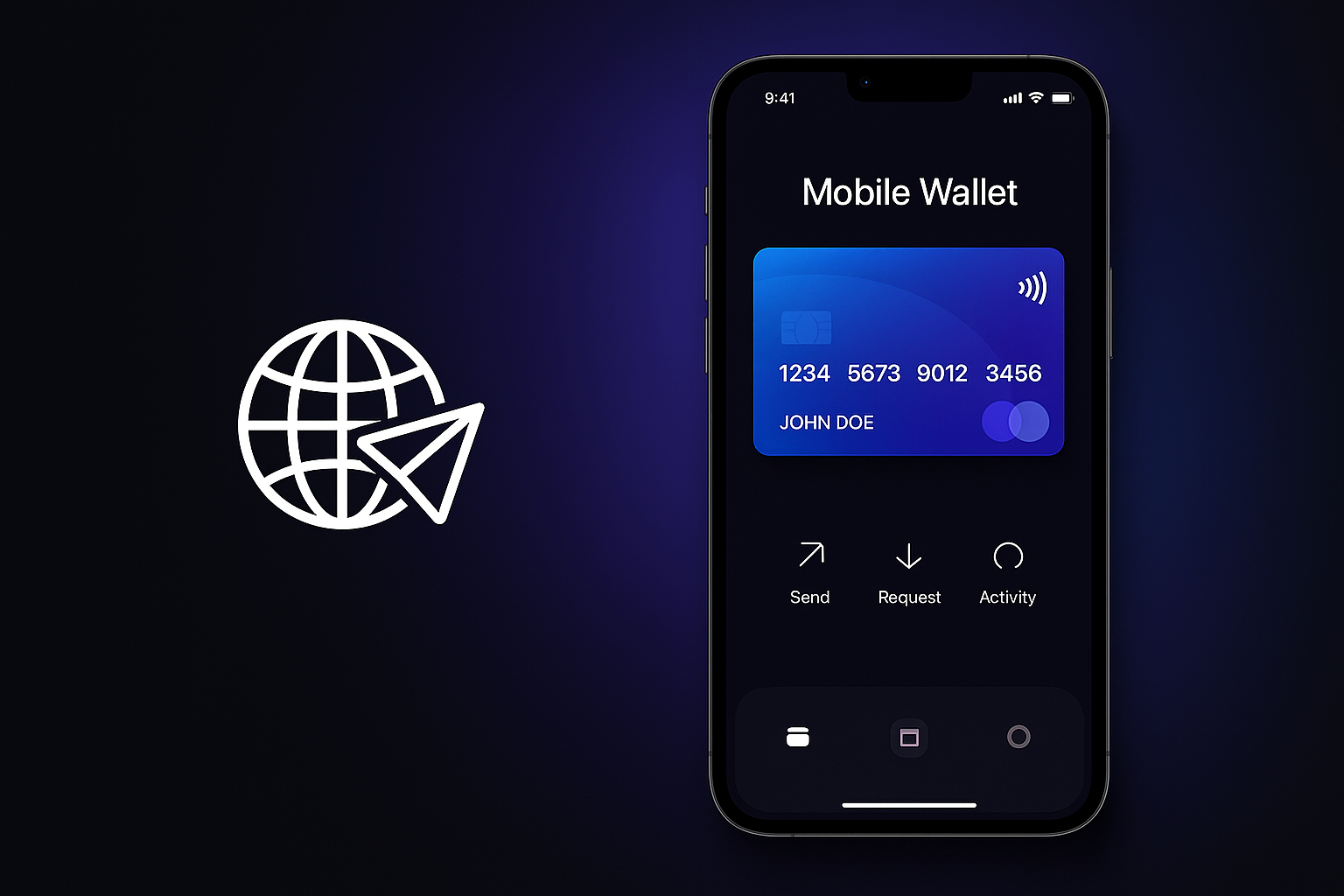
Mobile wallets, digital applications that allow users to store and manage their financial resources via smartphones, have become a cornerstone of modern financial transactions. They provide a convenient and secure means of processing payments, crucial for businesses aiming to enhance their payment capabilities. With mobile wallets, financial professionals, founders, CEOs, and CFOs can address the challenges of traditional banking systems, which often include high transaction fees and long processing times.
Benefits of Mobile Wallets for Global Payments
-
Accessibility and Inclusion: Mobile wallets have significantly enhanced financial inclusion, particularly in regions with limited access to traditional banking infrastructure. In Africa, for instance, mobile money services like M-Pesa have transformed how people transact, enabling users to send and receive money through their mobile devices effortlessly.
-
Cost-Effective Transactions: Unlike conventional banking, mobile wallets typically offer lower transaction fees, making them an attractive option for businesses looking to minimize costs. This is especially beneficial for companies operating in remote countries where banking services can be costly and cumbersome.
-
Speed and Efficiency: Mobile wallets facilitate real-time transactions, allowing businesses to manage cash flow more effectively. This immediacy is crucial for companies engaging with international partners and clients, ensuring that payments are processed quickly and efficiently.
-
Enhanced Security: With advanced encryption and authentication technologies, mobile wallets provide a secure platform for conducting transactions. This security is vital for building trust with customers and partners globally.
Leveraging Mobile Wallets in Africa and Remote Regions
Africa's mobile wallet market is a testament to the power of innovation in overcoming geographical and infrastructural challenges. The continent's large unbanked population, coupled with the widespread use of mobile phones, has created a fertile ground for mobile wallet adoption. Businesses can leverage this trend to tap into new markets and expand their customer base.
Case Study: M-Pesa in Kenya
M-Pesa, a mobile payment service launched in Kenya, exemplifies the potential of mobile wallets. It has become a lifeline for millions of Kenyans, facilitating transactions in a country where access to traditional banking is limited. By integrating mobile wallets like M-Pesa into their payment systems, companies can ensure smooth operations even in remote regions.
Conclusion
As the global economy continues to evolve, mobile wallets stand out as a pivotal innovation in the realm of digital transactions. For financial professionals, founders, CEOs, and CFOs, embracing mobile wallets can streamline payment processes, reduce costs, and enhance security. Particularly in Africa and other remote areas, mobile wallets offer a gateway to financial inclusion and business growth.
Businesses looking to improve their payment capabilities should consider integrating mobile wallet solutions into their operations. By doing so, they can not only enhance their global payment strategy but also contribute to the broader goal of financial innovation and inclusion.
For more insights into payment innovation and strategies for your business, explore STABO.io and discover how we can help you navigate the future of finance.