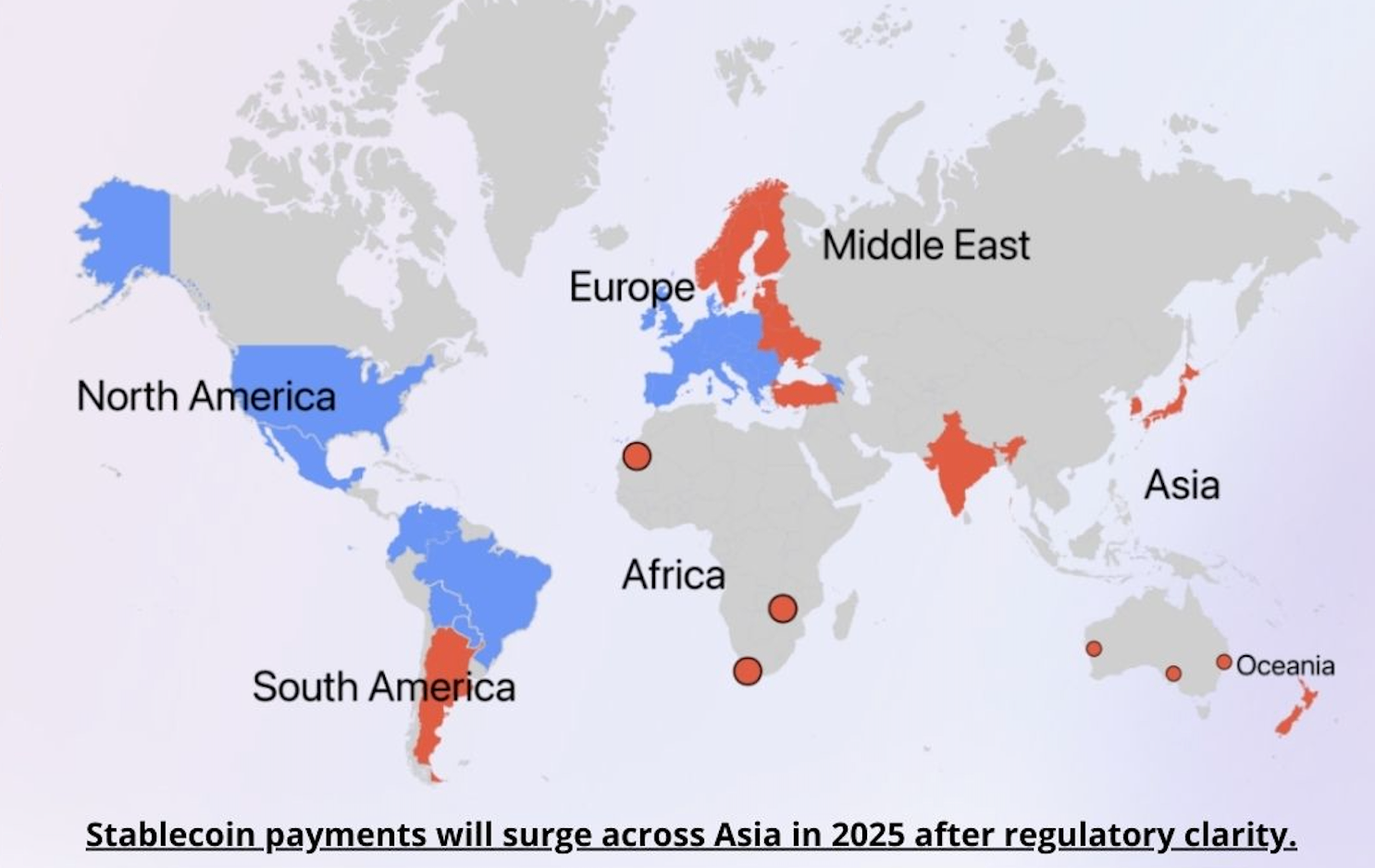
Navigating Stablecoin Regulation in Asia: Key Insights
As the financial landscape continues to transform with the advent of digital currencies, stablecoins have emerged as a pivotal component within the cryptocurrency ecosystem. Particularly in Asia, a region known for its rapid technological adoption and innovative financial markets, understanding the regulatory environment surrounding stablecoins is crucial for businesses and financial professionals seeking to enhance their payment capabilities.
The Rise of Stablecoins in Asia
Stablecoins, cryptocurrencies typically pegged to a stable asset like the US dollar or gold, offer the promise of reduced volatility and increased reliability, making them an attractive option for both consumers and businesses. Asian markets have been at the forefront of adopting these digital assets due to their potential to streamline transactions, enhance cross-border trade, and provide a hedge against local currency fluctuations.
Regulatory Landscape Across Key Asian Markets
The regulatory environment for stablecoins in Asia is as diverse as the region itself. Here’s a closer look at some key markets:
-
China: While China has taken a stringent stance on cryptocurrencies generally, banning initial coin offerings (ICOs) and crypto exchanges, it has shown interest in developing its own digital currency, the Digital Yuan. However, stablecoins not directly issued by the government remain largely restricted.
-
Japan: Known for its progressive stance on cryptocurrency regulation, Japan has established a clear legal framework for digital assets. The Financial Services Agency (FSA) oversees cryptocurrency exchanges and requires stablecoin issuers to register and comply with stringent anti-money laundering (AML) and counter-terrorist financing (CTF) regulations.
-
Singapore: As a major financial hub, Singapore has positioned itself as a crypto-friendly jurisdiction. The Monetary Authority of Singapore (MAS) regulates stablecoins under the Payment Services Act, which mandates licensing requirements to ensure consumer protection and financial stability.
-
South Korea: South Korea has adopted a cautious but open approach. The government imposes strict regulations on exchanges and has introduced legislation to ensure transparency and compliance with international standards.
Implications for Businesses and Financial Professionals
For financial professionals, founders, CEOs, and CFOs, navigating the regulatory landscape of stablecoins in Asia presents both challenges and opportunities. Here are some considerations:
-
Regulatory Compliance: Understanding the specific regulatory requirements in each jurisdiction is essential. This includes obtaining necessary licenses and adhering to local AML and CTF standards.
-
Operational Efficiency: Stablecoins can enhance payment capabilities by reducing transaction costs and settlement times, particularly in cross-border transactions. Businesses must assess how these efficiencies align with their operational goals.
-
Risk Management: While stablecoins offer reduced volatility compared to other cryptocurrencies, regulatory uncertainties and market risks still exist. Developing robust risk management strategies is critical for safeguarding business interests.
Conclusion
As Asia continues to be a dynamic player in the global financial markets, understanding the regulatory nuances of stablecoins in the region is vital for businesses seeking to leverage these digital assets. By staying informed and compliant, financial professionals can harness the benefits of stablecoins to drive innovation and improve payment capabilities, positioning their organizations for success in the evolving digital economy.